YouTube Audience Retention by Niche: Why Your Niche Sets the Ceiling
You changed your hooks. You tightened your pacing. You cut your intros down to five seconds. Your audience retention barely moved.
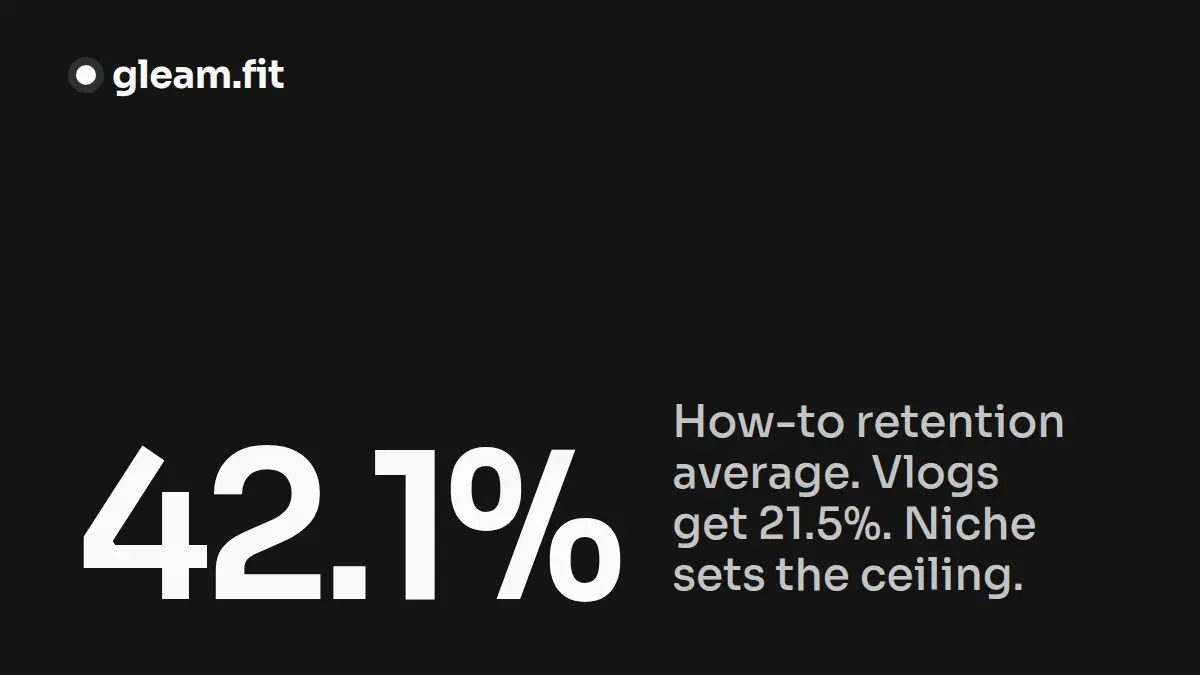
Most creators assume retention is an editing problem. The data suggests something different. According to Retention Rabbit's 2025 Benchmark Report, which analyzed over 10,000 YouTube videos across 75+ niches, the gap in average audience retention between niches is as large as 20.6 percentage points. Educational how-to content retains 42.1% of viewers on average. Vlogs retain 21.5%. Same platform, same algorithm, but a fundamentally different retention baseline — set by the niche itself.
This article breaks down what niche-level retention data reveals, why it matters more than most editing tweaks, and how to use it when choosing or evaluating your niche.
What Is YouTube Audience Retention by Niche, and Why Does It Vary So Much?
YouTube audience retention by niche refers to the average percentage of a video that viewers watch, broken down by content category. It varies because different niches attract viewers with fundamentally different intent and attention patterns.
A viewer searching "how to fix a leaking faucet" needs the answer. They stay until they get it. A viewer clicking a vlog does so out of casual curiosity — and leaves the moment interest fades. The content type shapes viewer behavior before the creator's editing does.
According to Retention Rabbit's analysis of 10,000+ videos across 75+ distinct YouTube niches, the overall average YouTube video retains just 23.7% of its viewers. But that average hides enormous variation. Educational how-to content sits at 42.1% — nearly double the vlog average of 21.5%. The difference is 20.6 percentage points, and it exists regardless of production quality or channel size.
This means a creator in a high-retention niche starts with a structural advantage. A creator in a low-retention niche faces a structural ceiling — not because their content is worse, but because their audience watches differently.
Does Your Niche Set a Retention Ceiling Before You Even Hit Record?
Effectively, yes. Every niche has a baseline retention range determined by viewer intent, content format expectations, and the competitive landscape of that category. Your editing, hooks, and pacing operate within that range — they don't override it.
Think of it this way. If the average educational how-to video retains 42.1% of viewers, a well-made one might push toward 55-60%. A poorly made one might drop to 30%. But the range itself is anchored by the niche. A vlog creator doing everything right — great hooks, tight pacing, strong personality — might reach 35%. That is excellent for their niche. But it is still below the average for a how-to creator.
This does not mean vlogs are a bad niche. It means retention targets need to be niche-relative. A creator comparing their 25% vlog retention to a 42% how-to benchmark is measuring against the wrong standard — and likely making unnecessary changes to content that is actually performing well within its category.
Why Does Retention Matter More Than Views for YouTube Growth?
Retention is the primary quality signal YouTube's algorithm uses to decide whether to recommend your video to more people. Views tell YouTube how many people clicked. Retention tells YouTube how many people stayed. The algorithm optimizes for the second.
According to Retention Rabbit's data, channels that improve their average retention by 10 percentage points see a correlated 25%+ increase in impressions from YouTube's recommendation system. That is not a small lift. It means the algorithm actively rewards retention improvements with more distribution.
The practical implication is significant. If you are in a niche with a naturally higher retention baseline — say educational content at 42.1% — the algorithm receives stronger quality signals from your videos by default. You are starting each upload with a structural tailwind. If you are in a lower-retention niche, every video has to work harder to generate the same algorithmic confidence.
This does not mean you should abandon a low-retention niche. But it means you should understand what "good" retention looks like for your niche, and optimize against that benchmark rather than a platform-wide average.
How Should You Use Niche Retention Data When Choosing a Niche?
Retention data should be one of the core inputs in your niche research — alongside competition, demand, and monetization potential. Most creators evaluate niches by search volume and CPM. Retention baseline is the missing variable.
Here is a practical framework for incorporating retention into your niche decision:
Step 1: Identify your niche category. Is your content closer to educational how-to, entertainment, commentary, vlogs, or something else? Each category has a different retention baseline. Educational content (42.1%) and niche-enthusiast content tend to retain the best. Vlogs (21.5%) and broad entertainment tend to retain the least.
Step 2: Benchmark against your category, not the platform. The platform-wide average is 23.7%. If your niche averages 30%, hitting 35% means you are outperforming. If your niche averages 42%, hitting 35% means you are underperforming. The same number means completely different things depending on the niche.
Step 3: Factor in retention when evaluating sub-niches. Within a broad category, sub-niches can have different retention profiles. A "productivity tools" how-to channel may retain differently than a "home repair" how-to channel, even though both are in the educational category. Look at the top-performing videos in your specific sub-niche and check their average view duration relative to video length.
Step 4: Consider the retention-CPM tradeoff. Some high-CPM niches (like finance or insurance) may have lower retention due to complex or dry content. Some high-retention niches (like cooking tutorials) may have lower CPMs. The ideal niche balances both — or at least ensures you know which lever you are pulling.
What If You Are Already in a Low-Retention Niche?
You do not need to switch niches. You need to optimize smarter within your niche's ceiling, and you need to set expectations based on realistic benchmarks rather than platform-wide averages.
Retention Rabbit's data shows that videos in the 5-10 minute range achieve the highest average retention at 31.5%. If your niche trends toward lower retention, tighter video length can help. A 7-minute vlog that retains 30% is delivering a stronger signal than a 20-minute vlog that retains 15%, even though the absolute watch time is lower.
You can also look at what high-retention niches do differently and borrow structural elements. Educational content retains well partly because viewers have a clear reason to stay — they need the answer. If your vlog or entertainment content can introduce a question, a challenge, or a specific payoff early in the video, you are borrowing the retention mechanics of educational content without changing your niche.
The key insight is this: once you know your niche's retention baseline, you can stop chasing an unrealistic number and start making targeted improvements that move you toward the top of your niche's range.
How Do You Check Your Niche's Retention Baseline?
YouTube Studio gives you your own retention data, but it does not show you how your niche compares. To benchmark, you need external data or manual research.
Option 1: Use benchmark reports. Reports like Retention Rabbit's 2025 Benchmark provide category-level averages across 75+ niches. These give you a starting reference point to compare against your own analytics.
Option 2: Analyze competitor channels. While you cannot see another channel's retention curves directly, you can infer retention from publicly visible data. Look at average view duration (visible in some third-party tools) relative to video length. If a competitor's 10-minute videos average 4 minutes of watch time, that is roughly 40% retention. Do this across 10-15 channels in your niche to build a rough baseline.
Option 3: Check your own data against niche benchmarks. Pull your average audience retention from YouTube Studio and compare it to the niche benchmarks from the report. If you are above your niche average, your content is structurally sound — the next lever is probably distribution, not editing. If you are below, start with your first-minute retention curve and work from there.
Key Takeaways
Niche determines retention baseline. Educational how-to averages 42.1% retention. Vlogs average 21.5%. The gap is 20.6 percentage points — decided by niche, not editing.
Benchmark against your niche, not the platform. The platform average is 23.7%, but that number is meaningless without niche context.
Retention drives algorithmic distribution. A 10 percentage point improvement correlates with 25%+ more impressions.
Optimize within your ceiling. If you are in a low-retention niche, tighten video length (5-10 minutes hits 31.5% peak) and borrow structural elements from high-retention categories.
Include retention in niche research. Search volume, CPM, and competition are not enough. Retention baseline is the missing input that tells you how hard your content has to work for the same algorithmic reward.
Ready to find your next video idea?
Gleam helps you discover content gaps and outlier videos with real YouTube data.
Start Free TrialRelated Articles
YouTube's View Count Change: What It Does to Niche Research
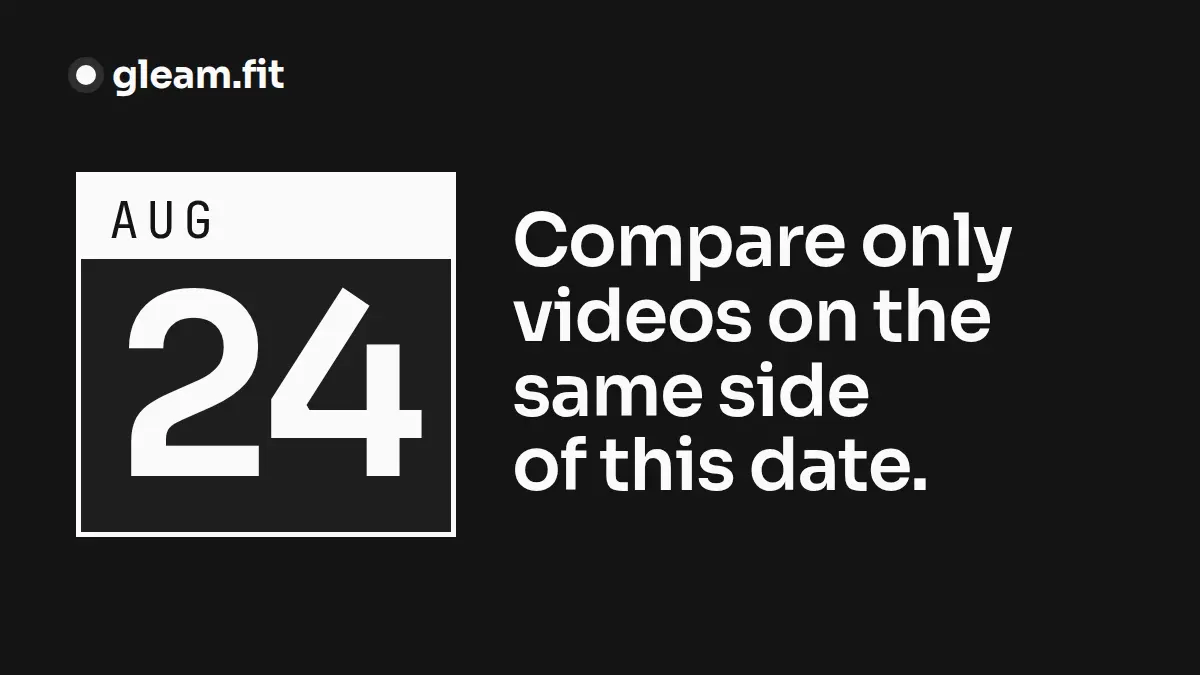
YouTube now counts a long-form view from the first frame, autoplay included. Videos published before August 24, 2026 carry mixed counts, so niche comparisons need a date split.
YouTube's 8,000 Watch Hours Rule Is a Niche Math Problem
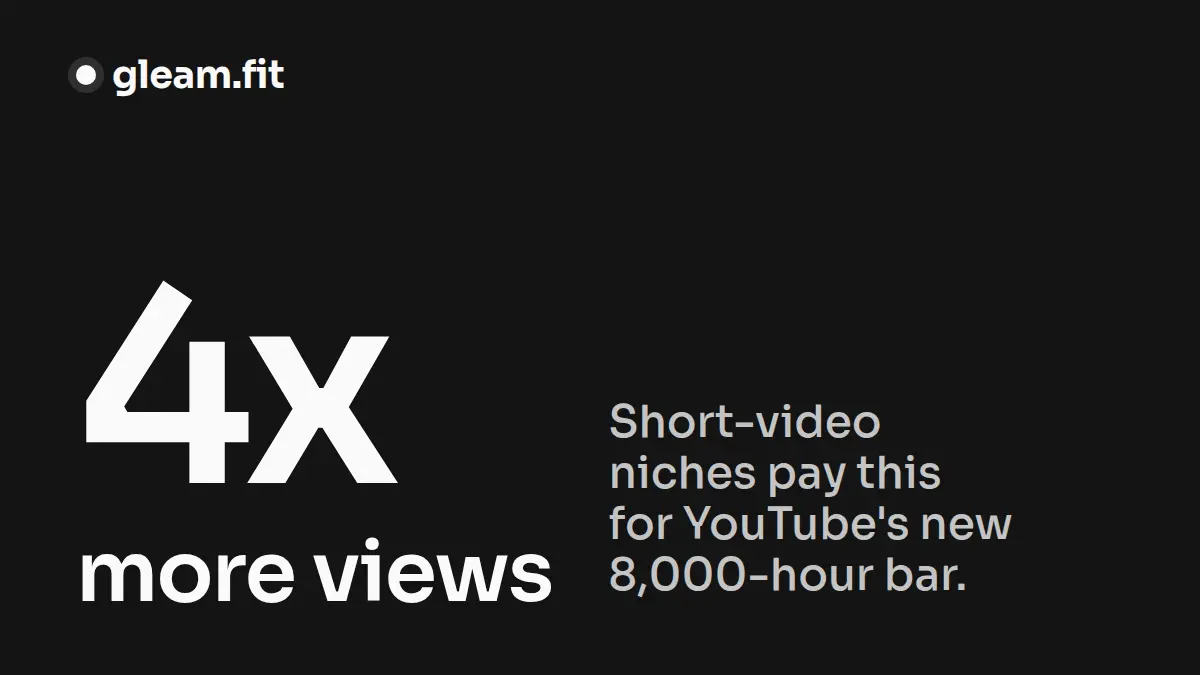
The YouTube Partner Program bar doubles to 8,000 watch hours on February 1, 2027. That is 480,000 minutes, and the views it takes to produce them depend on your niche's format length — a 4x spread between short- and long-format niches.
Which YouTube Niches Get Limited Ads — and What Moves Them Up
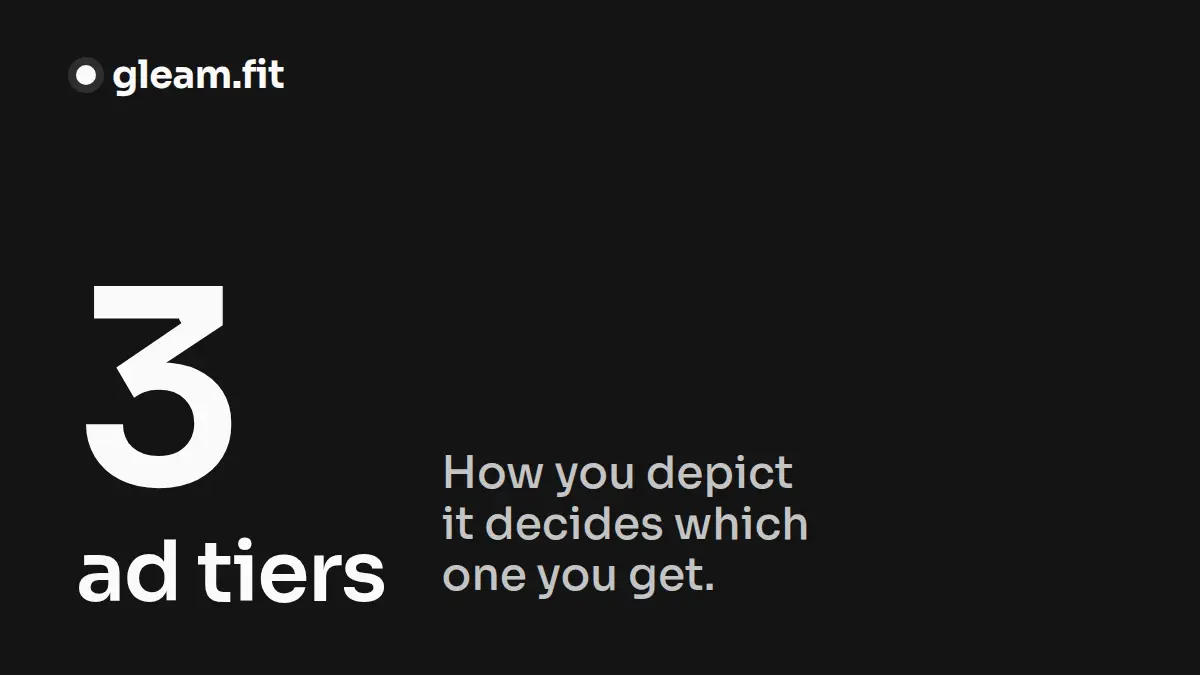
YouTube sorts the same niche into three ad-revenue tiers, not a yes or no. Which niche archetypes sit on two rungs at once, which lever moves them up, and the one line that no framing fixes.