YouTube Hype: Why Only Niche Channels Can Use the Boost
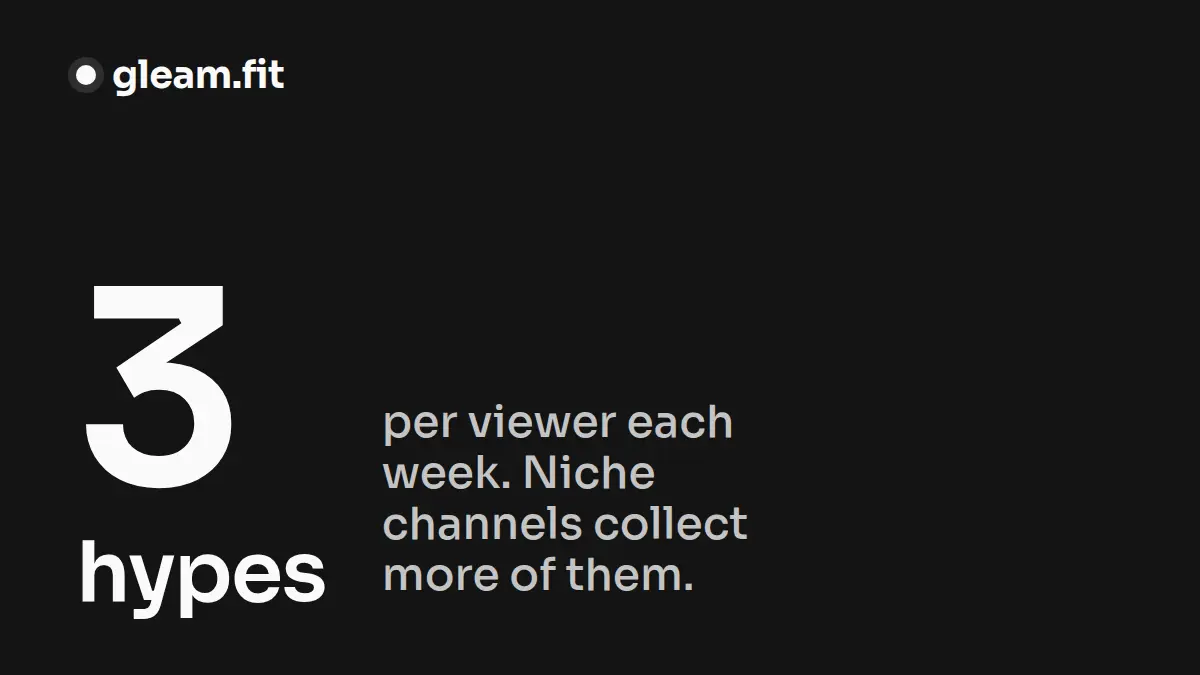
YouTube launched a feature called Hype — a fan-powered boost button designed for channels with 500 to 500,000 subscribers. Viewers can tap Hype on a video within its first seven days, earning it points toward a weekly national leaderboard. The idea sounds simple: let fans push their favorite creators into the spotlight. But the mechanics underneath reveal something most creators overlook. Hype doesn't reward size. It rewards fan concentration. And that changes who can actually use it.
What Is YouTube Hype and How Does It Work?
YouTube Hype is a discovery feature that lets viewers actively boost videos from emerging creators. When a viewer taps the Hype button, the video earns points. Videos with the most points climb a country-specific leaderboard visible in the Explore tab, where new audiences can discover them. According to YouTube's official documentation, channels in the YouTube Partner Program with 500 to 500,000 subscribers are eligible. Viewers can hype videos that have been published within the last seven days.
The critical constraint is scarcity. Each viewer gets only three free hypes per week across all of YouTube — not per channel, not per category. Three total. YouTube announced this at Made on YouTube 2024 and confirmed that during the beta test in Turkey, Taiwan, and Brazil, users delivered over 5 million hypes across more than 50,000 unique channels in just four weeks (YouTube Blog). The feature has since expanded to 39 countries including the US, UK, Canada, Japan, and Korea.
Why Does Hype Favor Smaller Channels?
YouTube built a Small Creator Bonus directly into the point system. The fewer subscribers a channel has, the more points each hype is worth. According to YouTube's official blog, "bonus points are automatically applied for emerging creators based on their amount of subscribers. The fewer the subscribers, the bigger the bonus." This means a channel with 2,000 subscribers can accumulate more leaderboard points per hype than a channel with 400,000 subscribers — even if the larger channel receives more total hypes.
This inverted weighting system is deliberate. YouTube designed Hype to surface creators who haven't broken through yet, not to give established mid-size channels another advantage. For creators in the early growth phase, this multiplier makes each fan interaction disproportionately valuable.
Why Do Niche Channels Collect More Hypes?
The answer comes back to those three weekly hypes. Every viewer on YouTube — regardless of how many channels they follow — gets the same three. That scarcity forces a choice. Viewers don't hype everything they watch. They hype what they care about most. And that's where niche channels have a structural advantage.
A niche channel builds a concentrated audience around a specific topic. The viewers aren't casual. They follow the channel because it serves a particular interest — a specific game, a cooking style, a type of music production. When these viewers see a new video, the channel is often their top priority for spending a hype. The relationship is direct: one topic, one creator, one hype.
A broad channel, by contrast, attracts a scattered audience. Viewers might enjoy the content, but the channel is one of many in their rotation. When it's time to allocate three hypes, the broad channel competes against every other channel the viewer watches that week. The result: fewer hypes per video, despite a potentially larger subscriber count.
How Does the Topic Leaderboard Help Niche Creators?
YouTube's Hype leaderboard isn't a single ranked list. According to YouTube Help, the leaderboard can be filtered by topic — categories like gaming, cooking, music, and cars. Each topic shows up to the top 50 hyped videos. This means a cooking channel doesn't compete against gaming channels for leaderboard placement. It competes within its own category.
For niche creators, this is a significant advantage. A channel focused on budget meal prep competes against other food creators, not against the entire YouTube ecosystem. The audience browsing the cooking leaderboard is already interested in cooking content, which means the discovery is targeted. A leaderboard placement in your topic category puts your video in front of viewers who are already looking for what you make.
This topic-filtered structure also reduces the barrier to entry. Reaching the top 50 in a specific category requires fewer total hypes than reaching the overall top 100. Smaller niche communities can realistically push a video onto their category leaderboard, while a broad creator would need massive, coordinated fan effort to appear anywhere.
Does Hype Affect the YouTube Algorithm?
This is where many creators get confused. According to YouTube's official blog, hyping videos will not influence your YouTube recommendations and search results. Hype operates as a separate discovery channel — the leaderboard — not as an algorithmic ranking signal. Your video won't appear more in Browse or Suggested feeds because it was hyped.
However, the indirect effects matter. A leaderboard placement exposes your video to new viewers. If those viewers watch, engage, and subscribe, those behavioral signals do feed back into the algorithm. Hype doesn't boost your algorithmic ranking directly, but it creates a visibility window that can trigger organic growth if the content satisfies the new audience.
This distinction is important for strategy. Hype is not a replacement for strong retention, good thumbnails, or topic authority. It's an additional discovery surface that rewards creators who already have engaged, focused communities.
What Should Creators Do About Hype?
Hype is enabled by default for eligible channels. You don't need to activate it. But you can be intentional about how you leverage it.
Focus on fan density, not fan count. A thousand viewers who consider your channel their favorite will generate more hypes than ten thousand viewers who watch you casually. Building a focused niche audience has always been good strategy. Hype now adds a concrete, measurable reward for that focus.
Pay attention to the first seven days. Hype points only accumulate within the first week after upload. If your most engaged viewers tend to watch within the first few days, that natural behavior aligns with the Hype window. Consistent upload schedules help your audience know when to expect — and hype — your content.
Don't chase hypes at the expense of content. YouTube designed Hype as a community signal, not a growth hack. Asking viewers to hype can work if done naturally, but the feature rewards genuine fan enthusiasm. The creators who benefit most from Hype are the ones who would be building strong niche content regardless of whether the feature existed.
The Bottom Line
YouTube Hype is built for niche channels, even if YouTube doesn't say it that way. The three-hype weekly limit rewards concentrated fandom. The Small Creator Bonus rewards being early in your growth. The topic-filtered leaderboard rewards category focus. And the seven-day window rewards consistent publishing to an engaged audience.
Broad channels with large but passive audiences will struggle to collect hypes. Niche channels with smaller but dedicated audiences will climb the leaderboard. The feature confirms what the algorithm has been signaling for years: depth of audience connection matters more than width of audience reach.
Hype eligibility: YouTube Partner Program, 500–500,000 subscribers
Viewer limit: 3 hypes per week across all of YouTube
Video window: First 7 days after upload
Small Creator Bonus: Fewer subs = more points per hype
Leaderboard: Country-specific, filterable by topic category
Algorithm impact: None directly — Hype is a separate discovery surface
Ready to find your next video idea?
Gleam helps you discover content gaps and outlier videos with real YouTube data.
Start Free TrialRelated Articles
YouTube CPM by Niche: How to Read a Niche's Pay Ceiling Before You Commit
Two YouTube niches with the same views can earn very different money. A niche sets its CPM band the day you pick it — here's how to read that pay ceiling before you commit.
One Outlier Is Luck. Three Across Channels Is a Niche Signal
One viral outlier can be luck. When the same format outperforms across several channels in a niche, it signals demand you can read before you commit.
How YouTube's 2026 Browse Feed Rewards Niche Commitment
The 2026 micro-niche clustering claim traces to blogs citing each other. Here is what YouTube documents about niche commitment, and where it contradicts.