YouTube Dead Subscribers: Why More Subs Hurt Your Channel
Most creators treat subscriber count as the scoreboard. More subscribers means a bigger channel, better reach, and faster growth. But what happens when your subscribers stop watching?
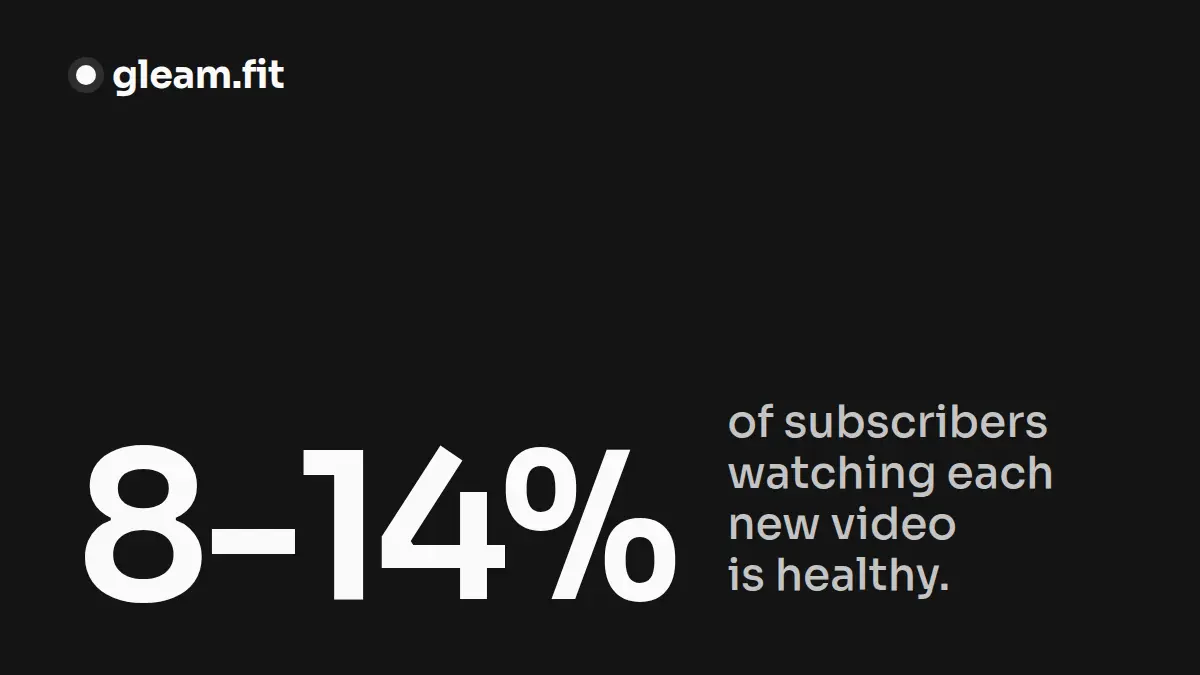
Dead subscribers — people who subscribed but no longer engage — can silently undermine your channel's growth. According to industry benchmarks, a healthy YouTube channel sees 8-14% of its subscribers watching each new video. Below 3%, the problem becomes structural. This article explains what dead subscribers are, how they affect YouTube's algorithm, and what niche consistency has to do with fixing them.
What Are Dead Subscribers on YouTube?
Dead subscribers are accounts that remain subscribed to your channel but no longer watch, click, or engage with your uploads. They inflate your subscriber count without contributing any meaningful activity. This can happen for several reasons: the person stopped using YouTube, they lost interest in your topic, or your content shifted away from what originally attracted them.
The term sounds dramatic, but the phenomenon is common. A channel that started with tech tutorials and gradually shifted to daily vlogs will accumulate subscribers from both phases. The tech tutorial subscribers may never watch a vlog. They didn't unsubscribe — they just stopped showing up.
YouTube itself has acknowledged that the platform avoids showing content to subscribers who haven't watched a channel's videos in a long time. According to a YouTube algorithm Q&A documented by Search Engine Journal, the system identifies inactive subscribers and reduces content recommendations to them. So while YouTube has built-in protections, the initial test window — the first hours after upload — is where dead subscribers cause the most damage.
How Does YouTube's Algorithm Test New Uploads?
YouTube does not push a new video to your entire subscriber base at once. Instead, it uses an expanding-circle testing model. According to vidIQ's 2026 algorithm guide, the first layer of testing — called the core audience layer — includes your subscribers and regular viewers. If the video performs well with this initial group (strong click-through rate and retention), YouTube expands it to broader audiences through the Browse feed and Suggested videos.
If the initial audience ignores the video — low CTR, short watch time, or high "Not Interested" signals — promotion slows or stops entirely. The video never reaches the second or third layer of potential viewers.
This is where the math turns against channels with dead subscribers. If a large portion of your subscriber base has no interest in your current content, the first layer of testing underperforms. YouTube doesn't know those subscribers are mismatched. It just sees a video that failed to engage the people most likely to care. The conclusion: this video probably isn't worth recommending to anyone else.
More than 70% of YouTube watch time now comes from algorithmic recommendations rather than direct searches or subscription feeds, according to Navigate Video. That means if your video can't pass the initial subscriber test, it's effectively invisible to the vast majority of potential viewers.
What Is a Healthy Subscriber-to-View Ratio?
The subscriber-to-view ratio measures what percentage of your subscribers watch each new upload. It's calculated by dividing views from subscribers by total subscriber count. Multiple YouTube analytics sources, including SEOStudio and MiniTool, cite 8-14% as a healthy benchmark. A channel with 10,000 subscribers should see roughly 800-1,400 subscriber views per video.
This number varies by niche. Kids' content channels tend to see higher raw view counts but lower subscriber engagement ratios. Educational channels often have smaller but more loyal subscriber bases. The benchmark isn't absolute — it's a diagnostic tool.
Where it becomes actionable is at the lower end. A ratio below 3% signals a structural problem. At that level, your subscriber count is mostly decorative. The people on that list aren't watching, and YouTube's test phase is working with a fraction of the audience it should have.
Channels with consistently high ratios share a common trait: their content matches what subscribers signed up for. There's no gap between the promise that earned the subscription and the content being delivered.
Why Do Dead Subscribers Accumulate?
Dead subscribers don't appear overnight. They accumulate through specific patterns, and the most common one is niche drift — gradually shifting your content away from the topic that originally built your audience.
A channel that starts with Minecraft tutorials and slowly moves to general gaming, then to tech reviews, collects subscribers from each phase. The Minecraft audience didn't sign up for tech reviews. They don't unsubscribe because unsubscribing requires effort. They simply stop watching.
Other causes include viral one-off videos that attract subscribers outside your niche, sub-for-sub exchanges that bring zero genuine interest, and long gaps between uploads that cause subscribers to forget why they followed you. Each of these adds names to your list without adding viewers to your test audience.
The accumulation is invisible in vanity metrics. Your subscriber count looks healthy. Your channel page looks credible. But behind the dashboard, your effective test audience — the subscribers who will actually click your next video — may be a fraction of what the number suggests.
This is the mirror image of the problem many small creators face: getting views without gaining subscribers. Dead subscribers represent the opposite — gaining subscribers without getting views. Both problems point to the same root cause: a disconnect between content and audience.
How Does Niche Consistency Prevent Dead Subscribers?
The most reliable way to maintain a healthy subscriber-to-view ratio is to stay consistent within your niche. When every video targets the same audience segment, every new subscriber joins because they want more of what you're already making. The test audience stays aligned with the content.
According to OutlierKit's 2026 beginner guide, switching niches every few months resets your channel's topic authority. YouTube's algorithm groups similar content together and builds a profile of what your channel is about. Frequent changes confuse that profile, making it harder for the system to match your videos with the right viewers.
Niche consistency doesn't mean repetition. It means operating within a defined topic space while varying angles, formats, and depth. A channel about YouTube growth strategy can cover algorithm changes, niche research, thumbnail testing, and monetization — all different videos, all within the same niche. The subscriber who found you through a niche research video will likely watch your algorithm update video too.
The practical framework looks like this: identify 3-5 content pillars within your niche and rotate between them. Each pillar serves a slightly different viewer need, but all pillars serve the same core audience. This keeps content fresh without drifting into territory that alienates your subscriber base.
How Do You Diagnose a Dead Subscriber Problem?
Start in YouTube Studio's analytics. Check your traffic sources for recent uploads and look at how much traffic comes from "Subscriber" sources versus Browse, Suggested, and Search. If subscriber-driven views are consistently low relative to your total subscriber count, the ratio is off.
Here are the key signals to watch:
Subscriber-to-view ratio below 3% across multiple uploads, not just one underperforming video.
Declining impressions per video despite a growing subscriber count — a sign that YouTube is testing your video with fewer people each time.
High external traffic, low organic traffic — if your videos only get views when you share them on social media or forums, the algorithm isn't distributing them.
History of niche changes or off-topic uploads that attracted subscribers from different interest groups.
If several of these signals appear together, the problem isn't the algorithm. It's the composition of your subscriber base. The fix isn't a shortcut — it's a sustained commitment to content that serves the audience you want, not the audience you accidentally collected.
Should You Delete or Remove Dead Subscribers?
YouTube doesn't offer a tool to selectively remove subscribers, and trying to force unsubscriptions through content warnings or channel resets is rarely worth the disruption. YouTube's own algorithm already reduces recommendations to subscribers who haven't watched in a long time, according to the platform's statements documented by Search Engine Journal.
The better approach is dilution through consistency. Every on-topic video attracts aligned subscribers who strengthen your test audience. Over time, the ratio of active to inactive subscribers improves naturally as your active base grows and your content stays focused.
In extreme cases — where a channel has fundamentally changed direction — starting a new channel can be faster than rehabilitating an existing one. Some creators who pivoted from one niche to another have reported better algorithmic performance on fresh channels with 500 engaged subscribers than on legacy channels with 10,000 disengaged ones. This is anecdotal, not a universal recommendation, but it illustrates how much subscriber quality matters relative to quantity.
The core principle remains: subscriber count is an output metric, not an input. The input is niche consistency. Get that right, and the subscriber count takes care of itself — with subscribers who actually watch.
Dead Subscriber Checklist
Calculate your ratio. Divide average views per video by subscriber count. Healthy: 8-14%. Warning zone: below 3%.
Audit your content history. Identify any niche shifts or off-topic videos that may have attracted mismatched subscribers.
Define 3-5 content pillars. All within your niche, all serving your core audience from different angles.
Check traffic sources monthly. Track the subscriber-driven view percentage in YouTube Studio over time.
Stop chasing subscriber milestones. A channel with 2,000 engaged subscribers outperforms one with 20,000 disengaged ones in YouTube's test-and-expand model.
Ready to find your next video idea?
Gleam helps you discover content gaps and outlier videos with real YouTube data.
Start Free TrialRelated Articles
YouTube CTV: Why Niche Channels Win the Living Room
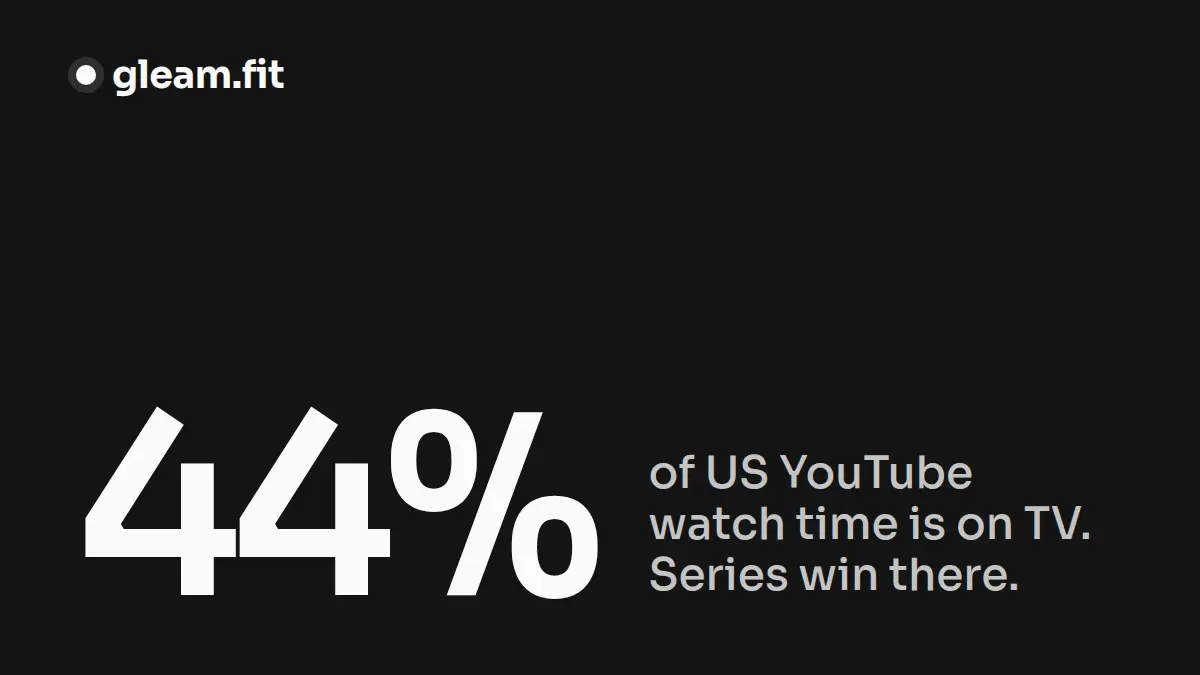
44%+ of US YouTube watch time now happens on connected TV. The living room rewards niche channels with episodic structure over broad feeds.
YouTube Not Interested: Why Hidden Feedback Kills Your Reach
YouTube's "Not Interested" clicks are invisible to creators but quietly shape your channel's reach. Here's how they work and why niche focus is your defense.
YouTube Returning Viewers: The Metric That Predicts Growth
Views are a lagging indicator. Return viewer rate predicts whether your channel will grow. Here's the benchmark and how your niche affects it.