YouTube Creator Partnerships: Why Niche Beats Size
You have 5,000 subscribers. A brand reaches out through YouTube and wants to work with you. The channel with 200,000 subscribers in a similar space never heard from them. That scenario sounds unlikely, but it is exactly the kind of outcome YouTube's new Creator Partnerships platform is designed to produce. This article breaks down what changed, how the matching works, and why niche clarity now directly affects your ability to land brand deals.
What Is YouTube Creator Partnerships?
YouTube Creator Partnerships is the replacement for BrandConnect, YouTube's previous tool for connecting creators with brands for sponsored content. YouTube announced the rebrand at NewFronts in March 2026. According to the YouTube Blog, the platform is now integrated directly into YouTube Studio for creators and Google Ads and Display & Video 360 for advertisers.
The name change is not just cosmetic. BrandConnect operated as a standalone workflow. Creator Partnerships centralizes discovery, outreach, campaign scaling, and measurement into one hub. Brands no longer need to manually sift through spreadsheets or rely on third-party agencies to find the right creator.
The platform covers more than 3 million creators within the YouTube Partner Program (YouTube Partner Program). It is currently available to creators in seven markets: the US, India, Indonesia, the UK, Brazil, Australia, and Canada, according to Adweek.
How Does Gemini AI Match Brands with Creators?
Gemini AI powers the matching engine behind Creator Partnerships. Instead of filtering creators by subscriber count or category, Gemini analyzes multiple data signals to recommend creators that fit a brand's specific campaign goals. According to the YouTube Blog, these signals include audience similarity, organic brand mentions, and subscriber growth trends.
Brands can search using natural language prompts. During a press preview reported by Adweek, a sample prompt was: "Find me US tech creators reviewing sports gear with high Gen Z retention." Gemini surfaces creators who match and includes channel data, audience demographics, and sample videos.
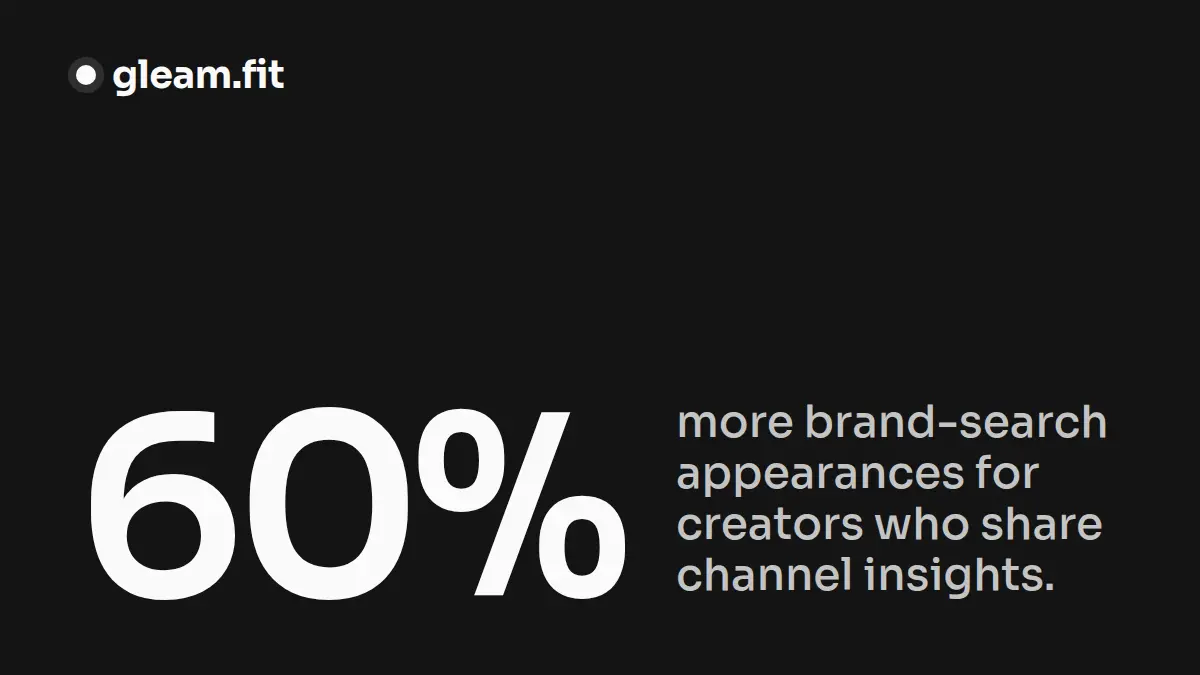
For creators, the new system introduces an incentive to share more about their channels. Creators can opt in to sharing deeper channel insights with brands during the search process. According to the YouTube Blog, creators who shared channel insights were surfaced 60% more in brand search results.
This is a significant shift. The old model rewarded channels with the largest follower counts. The new model rewards channels with the clearest audience signal.
Why Do Niche Channels Have an Advantage Now?
Niche channels benefit because the matching criteria favor audience focus over audience size. A channel with 200,000 subscribers spread across unrelated topics sends a weak audience signal. A channel with 5,000 subscribers focused on one specific topic sends a strong one. When Gemini evaluates audience similarity between a brand's target and a creator's actual viewers, niche consistency is the signal that produces a match.
This is a gleam.fit analysis, not a direct YouTube claim: niche clarity acts as a filter that either makes your channel visible or invisible in brand searches. YouTube's matching criteria — audience similarity, organic mentions, growth trends — all reward channels where the content, the audience, and the topic are tightly aligned.
Consider two channels covering home fitness equipment. Channel A covers everything from cooking to travel to fitness, with 150,000 subscribers. Channel B covers only home gym setups and equipment reviews, with 8,000 subscribers. When a fitness equipment brand searches for creators, Gemini is more likely to surface Channel B because the audience overlap is stronger and the organic mentions are more concentrated.
The platform also introduced creator partnerships boost (formerly Partnership ads), which allows brands to turn organic creator content into paid ads on Shorts and in-stream placements. According to the YouTube Blog, advertisers who promoted creator-led videos on Shorts saw an average 30% increase in conversion lift. This means brands are not just discovering niche creators — they are scaling their content as ads, which drives more value back to the creator relationship.
What Should Creators Do to Get Discovered by Brands?
The first step is to share channel insights within YouTube Studio. This is an opt-in feature. Creators who enable it give brands access to deeper audience data during the search process. The 60% increase in discoverability reported by YouTube applies specifically to creators who took this step.
Beyond the settings, the more actionable work is in channel positioning. Here is what matters based on how the system works:
Topic consistency. Every video should reinforce the same niche. A channel that jumps between unrelated topics produces a scattered audience profile. Gemini reads that as a weak match for any single brand category.
Organic mentions. If you already use, review, or reference products or brands in your content naturally, Gemini can detect those mentions. This creates an authenticity signal that paid placements cannot replicate.
Audience growth trajectory. Brands are not just looking at current size. Subscriber growth trends indicate momentum. A small channel growing steadily in a focused niche signals a rising opportunity, not a risk.
Content-audience alignment. The audience that watches your content should match the audience a brand wants to reach. If you make videos about budget home studio setups, your audience likely cares about affordable audio and video equipment. That alignment is what Gemini surfaces.
Does This Change How Creators Should Think About Monetization?
Yes, because it separates monetization potential from subscriber milestones. Traditionally, brand deals were gated by audience size. Agencies filtered creators by subscriber count first, then evaluated fit. Creator Partnerships reverses that order. Fit comes first, size second.
According to the YouTube Blog, YouTube drives 86% higher incremental long-term ROAS than paid social, based on a Google-commissioned analysis. This gives brands a financial reason to invest in creator partnerships over other social channels. For creators, it means the budget flowing into this channel is growing, and the allocation is increasingly driven by AI matching rather than manual outreach.
Another data point changes the equation for how creators think about content value. According to YouTube, 40% of a video's views happen more than a month after it goes live. Unlike short-lived social posts, YouTube content continues to deliver brand exposure over time. This evergreen quality makes niche creators more valuable to brands, because their content stays relevant to a specific audience long after the upload date.
The practical takeaway: niche clarity is no longer just a growth strategy. It is a monetization strategy. A creator with a focused channel and shared insights is more discoverable to brands than a larger creator with a vague audience profile. The system now rewards what niche creators have been building all along — a specific audience that trusts their recommendations.
Key Takeaways
YouTube retired BrandConnect and launched Creator Partnerships at NewFronts 2026, powered by Gemini AI
Gemini matches brands with creators based on audience similarity, organic brand mentions, and subscriber growth — not subscriber count
Creators who share channel insights are surfaced 60% more in brand searches
Creator partnerships boost on Shorts delivers an average 30% conversion lift
YouTube drives 86% higher long-term ROAS than paid social
40% of video views happen more than a month after upload — niche content stays valuable
Niche clarity is now a direct driver of monetization, not just growth
Ready to find your next video idea?
Gleam helps you discover content gaps and outlier videos with real YouTube data.
Start Free TrialRelated Articles
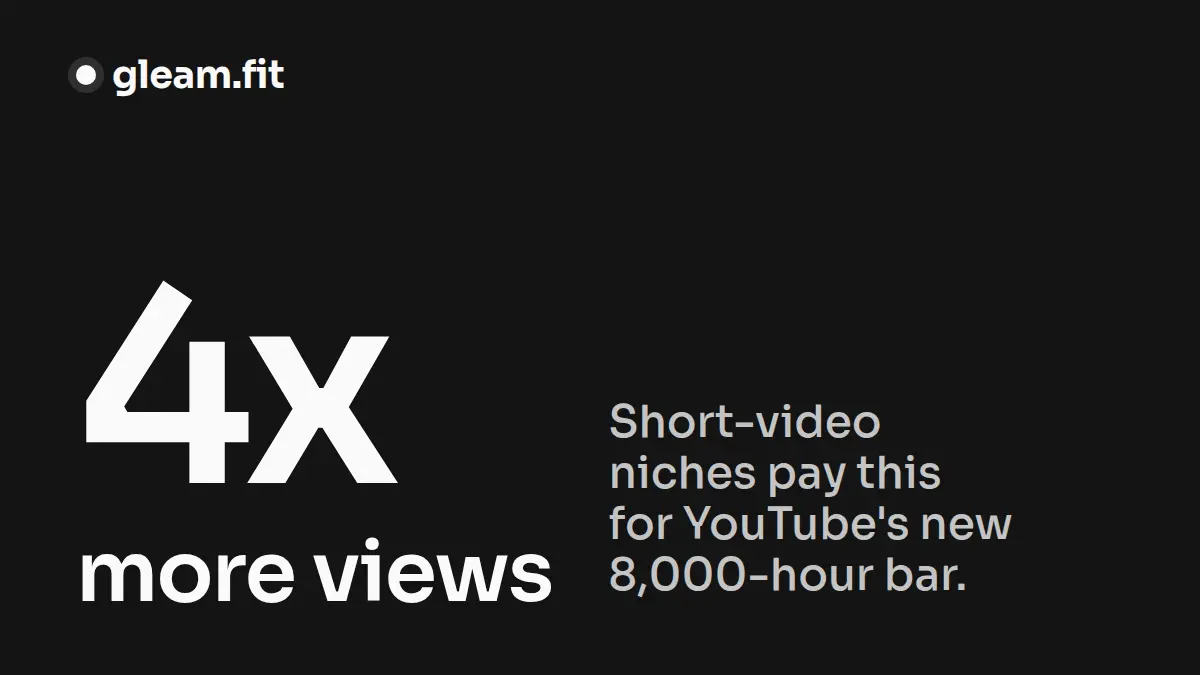
YouTube's 8,000 Watch Hours Rule Is a Niche Math Problem
The YouTube Partner Program bar doubles to 8,000 watch hours on February 1, 2027. That is 480,000 minutes, and the views it takes to produce them depend on your niche's format length — a 4x spread between short- and long-format niches.
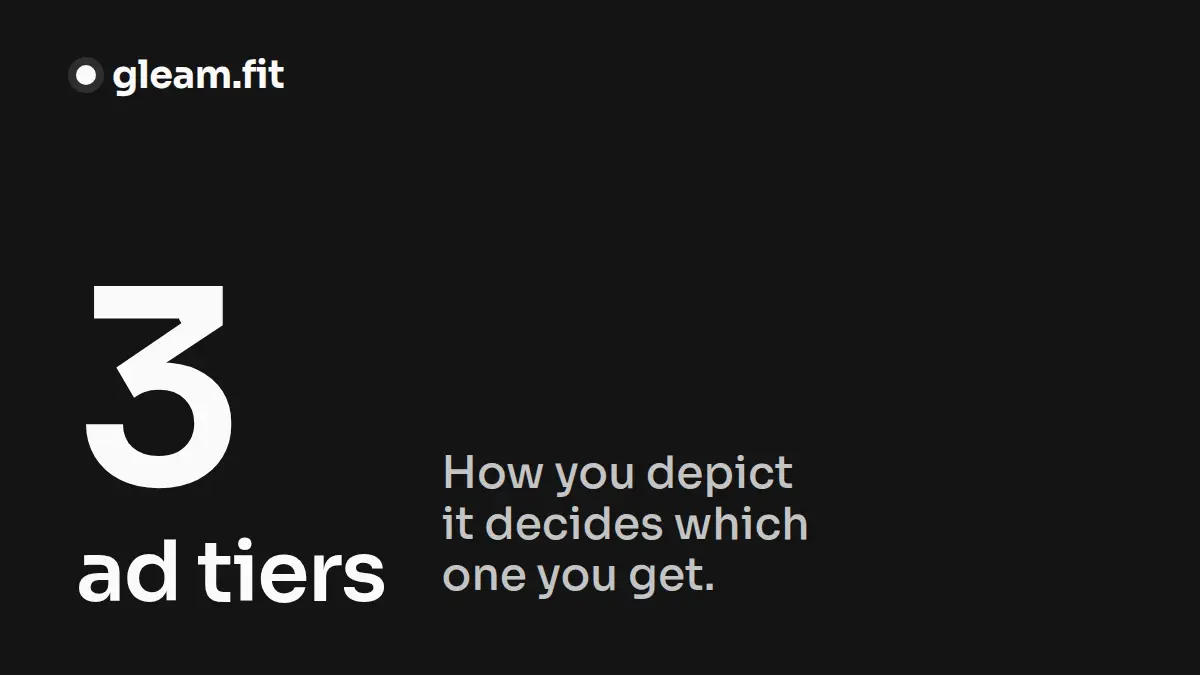
Which YouTube Niches Get Limited Ads — and What Moves Them Up
YouTube sorts the same niche into three ad-revenue tiers, not a yes or no. Which niche archetypes sit on two rungs at once, which lever moves them up, and the one line that no framing fixes.
Some YouTube Niches Reward Formats YouTube Won't Monetize
YouTube just named three content types it won't monetize — templated, off-putting, and fake-AI-expert. The catch for new creators: that risk is set the day you pick a niche. Here's how to score a niche's format exposure before you commit.